

Everything You Need to Know to Create a Realistic Wedding Budget (With Examples & Pro Tips)
By Sandra Jacobs
Planning your dream wedding starts with one essential step: creating a wedding budget. Whether you’re planning a luxury celebration or a more intimate event, your budget will guide every decision—from your venue and guest list to décor and entertainment.
In this complete guide, you’ll learn how to create a wedding budget, see average wedding cost breakdowns, explore sample budgets, and discover expert tips to stay on track and save money.

Why Setting a Wedding Budget Is So Important
Getting engaged is exciting—but before booking vendors or shopping for outfits, you need a clear financial plan.
A well-planned wedding budget helps you:
- Avoid overspending
- Prioritize what matters most
- Allocate funds effectively
- Reduce stress during planning
What to Know Before Creating Your Wedding Budget
1. Who Is Paying for the Wedding?
Start by identifying all contributors:
- You and your partner
- Family members
- Friends or sponsors
Clarify how much each person will contribute and whether they have preferences for how the money is spent.
Pro Tip: Always confirm expectations upfront to avoid misunderstandings later.
2. What Can You Actually Afford?
Your wedding should fit comfortably within your financial reality.
Consider:
- Monthly expenses (rent, car payments, debt)
- Future goals (home purchase, travel, savings)
- Emergency funds
Creating a realistic wedding budget ensures you don’t compromise your long-term financial health.

3. Define Your Wedding Priorities
Every couple values different things. Ask yourselves:
- Is a large guest list important?
- Do you want a designer dress?
- Is photography a top priority?
Identify your must-haves vs. nice-to-haves to allocate your budget wisely.
4. Understand What a Wedding Includes
Many couples underestimate the number of expenses involved.
Typical wedding costs include:
- Venue and catering
- Attire and beauty
- Photography and videography
- Entertainment
- Flowers and décor
- Stationery
- Transportation
How Much Does a Wedding Cost?
The average wedding cost in South Africa varies widely depending on size and style.
- Budget weddings: R45,000+
- Mid-range weddings: R100,000 – R400,000
- Luxury weddings: R400,000 – R1.5 million+
Your total cost will depend on:
- Guest count
- Location
- Season
- Level of luxury

Wedding Budget Breakdown (Average Percentages)
Use this wedding budget breakdown as a starting point:
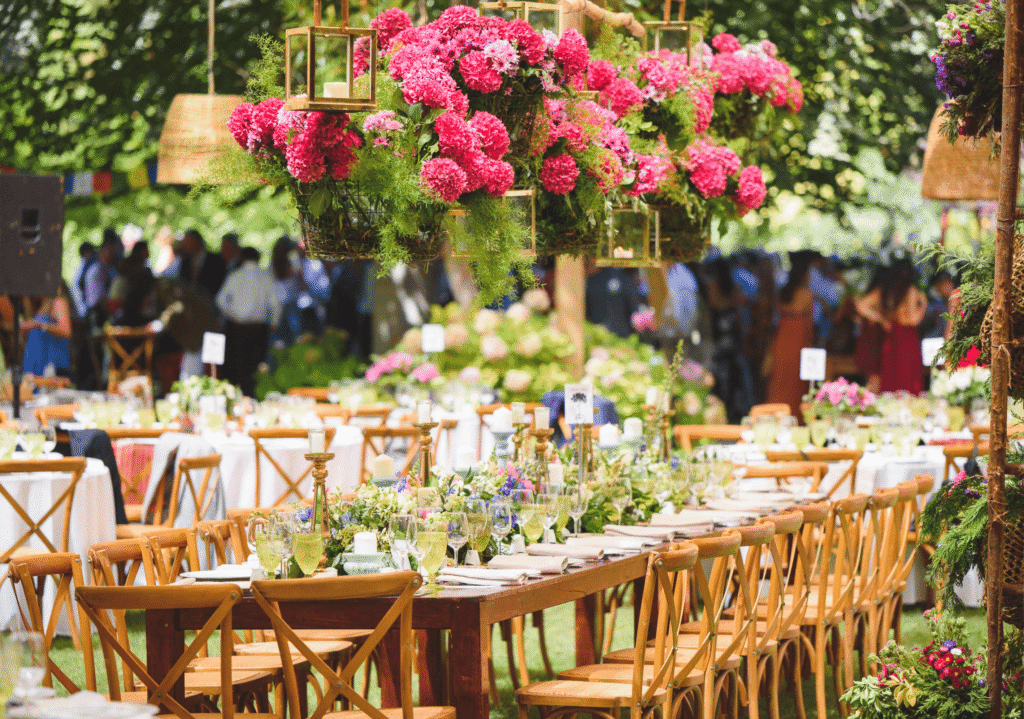
Venue, Catering & Rentals (≈45%)
Your biggest expense includes:
- Venue hire
- Food and drinks
- Tables, chairs, linens
- Bar services
Wedding Planner (5–15%)
A planner can:
- Save time and money
- Negotiate vendor rates
- Manage logistics

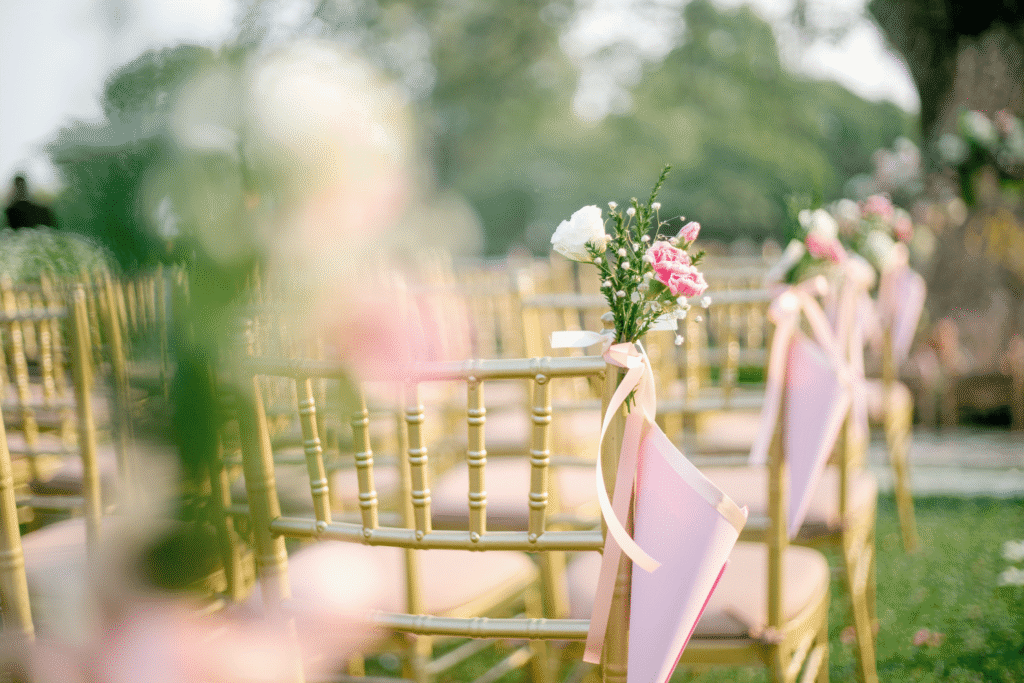
Ceremony (≈3%)
Includes:
- Officiant
- Ceremony venue
- Seating and setup
- Music
Photography & Videography (≈12%)
Capturing memories is essential:
- Photographer + second shooter
- Engagement shoot
- Wedding video and highlight reels

Entertainment (≈10%)
Options include:
- DJ or live band
- MC services
- Photo booths
- Live performers
Flowers & Décor (≈10%)
Covers:
- Bouquets and centerpieces
- Ceremony décor
- Lighting
- Furniture rentals
Attire & Beauty (≈9%)
Includes:
- Wedding dress and suit
- Alterations
- Accessories
- Hair and makeup
Stationery (≈3%)
- Invitations
- Save-the-dates
- Programs and menus
- Thank-you cards
Cake & Desserts (≈2%)
- Wedding cake
- Dessert tables
- Cake-cutting fees

Transportation (≈2%)
- Wedding car
- Guest transport
- Parking/valet
Rings, Favors & Gifts (≈4%)
- Wedding bands
- Guest favors
- Bridal party gifts
Hidden Wedding Costs to Plan For
Don’t forget to include:
- Vendor tips (5–15%)
- Emergency fund (5–15%)
- Pre-wedding events (≈8%)
- Honeymoon (≈5%)

Expert Wedding Budget Tips
1. Track Every Expense
Use a spreadsheet or app to monitor:
- Costs
- Deposits
- Final payments
2. Customize Your Budget
There’s no “one-size-fits-all” wedding. Spend more on what matters most to you.
3. Plan for Unexpected Costs
Set aside 5–15% extra for surprises like:
- Vendor changes
- Weather backup plans
- Additional rentals
4. Use Credit Cards Wisely
Only charge what you can repay quickly. Take advantage of rewards—but avoid debt.
5. Cut Costs Strategically
Save money by:
- Reducing guest count
- Choosing off-peak dates
- Renting instead of buying
- Simplifying décor
6. Match Your Style to Your Budget
Luxury weddings cost more. Be realistic about what you can afford and adjust expectations accordingly.
Step-by-Step: How to Create a Wedding Budget
Step 1: Set Your Total Budget
Determine your maximum spending limit.
Step 2: Break Down Expenses
Allocate percentages to each category based on priorities.
Step 3: Confirm Contributions
Know exactly who is paying for what.
Step 4: Add an Emergency Fund
Reserve money for unexpected expenses.
Step 5: Look for Savings Opportunities
Compare vendors, reuse items, and stay flexible.
Final Thoughts
Creating a wedding budget doesn’t have to be stressful. With the right planning, clear priorities, and smart spending, you can design a beautiful wedding that fits your financial goals.
Remember: your wedding is about celebrating your relationship—not overspending. Stay true to what matters most, and you’ll create a day that feels just right.