


The History and Meaning of the Wedding Veil Tradition
The wedding veil is one of the most iconic bridal accessories in the world. But why do brides wear veils, and what is their meaning?
From ancient rituals to modern South African weddings, the bridal veil has carried deep cultural and symbolic significance across generations. Today, brides across South Africa and around the world continue to wear veils as a timeless part of their wedding attire.
In this guide, we explore the history of wedding veils, their cultural meaning, and how South African brides can incorporate this beautiful tradition into modern wedding styles.

Why Do Brides Wear Veils?
For centuries, brides have worn veils for both symbolic and traditional reasons. Originally, veils were believed to protect brides from evil spirits. Over time, they came to represent purity, modesty, and the transition into marriage.
In South Africa today, wedding veils are less about superstition and more about elegance, tradition, and personal style.

The Historical Origins of Wedding Veils
The tradition of wearing wedding veils dates back to ancient Rome and Greece, where brides wore veils to ward off negative energy and protect themselves spiritually.
As wedding traditions evolved across Europe, veils became associated with:
- Modesty
- Purity
- Respect and reverence during marriage ceremonies
These meanings influenced bridal fashion traditions that are still seen in South African weddings today.
The Cultural Meaning of Bridal Veils
Across different cultures, the wedding veil carries various meanings. In many traditions, it represents:
- Purity and innocence
- Family blessing and protection
- Transition from single life to marriage
- Spiritual or religious significance
In South African multicultural weddings, veils are often chosen for their beauty and symbolic connection to heritage and tradition.
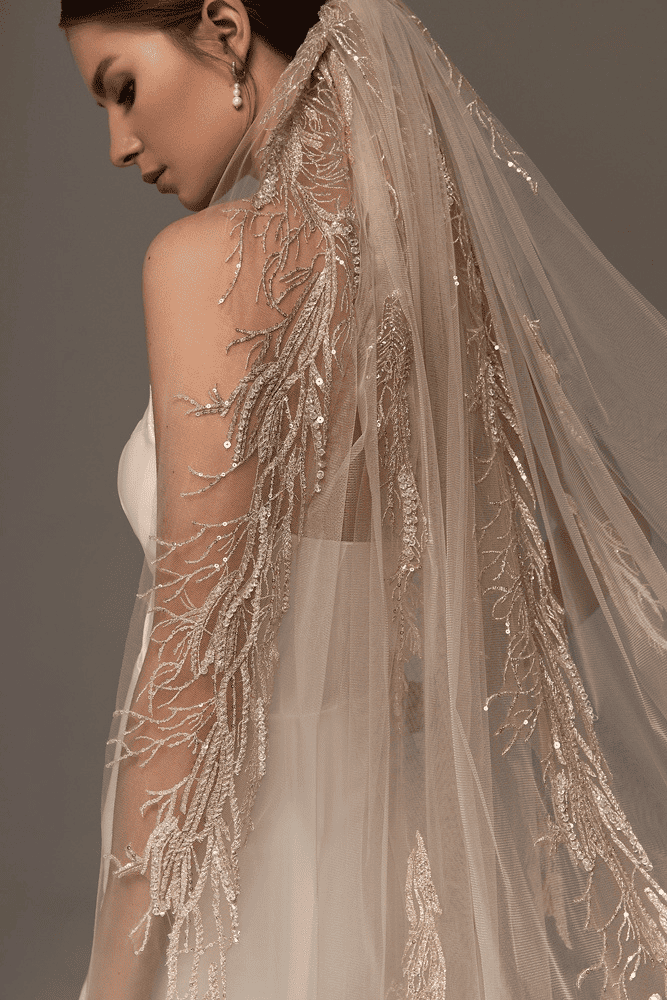
Do Brides Still Wear Wedding Veils in South Africa?
Yes — wedding veils remain a popular choice for South African brides.
Modern brides often wear veils as a fashion statement rather than a strict tradition. They can be customised to match wedding themes such as:
- Glamorous Johannesburg weddings
- Beach weddings in Cape Town
- Traditional cultural ceremonies
- Modern minimalist bridal looks
The Evolution of Bridal Veils
Wedding veils have changed significantly over time.
From heavy face coverings in medieval Europe to lightweight lace designs today, veils have evolved with fashion trends and cultural shifts.
Modern South African brides now enjoy a wide variety of veil styles that suit different wedding aesthetics.
Types of Wedding Veils Popular Today
Brides in South Africa can choose from many veil styles, including:
- Cathedral veils (long and dramatic for formal weddings)
- Fingertip veils (classic and elegant)
- Blusher veils (short face-covering style)
- Birdcage veils (vintage-inspired fashion look)
Each veil style allows brides to express their personality and complement their wedding dress.
How to Choose the Perfect Wedding Veil
When choosing a wedding veil in South Africa, consider:
- Your wedding dress style
- The venue (beach, chapel, outdoor)
- Your hairstyle
- Personal style and comfort
The right veil should enhance your bridal look without overpowering it.
Incorporating Veils into South African Wedding Themes
Wedding veils can be styled to match many South African wedding themes, including:
- Traditional cultural weddings
- Boho outdoor weddings
- Luxury hotel weddings
- Garden and vineyard ceremonies
A well-chosen veil can elevate the entire wedding aesthetic.
Wedding Veil Traditions Around the World
Wedding veil traditions vary globally:
Middle Eastern and Islamic Weddings
Brides may wear a hijab or niqab, depending on cultural and religious traditions.
South Asian Weddings (India, Pakistan, Bangladesh)
Brides often wear a dupatta or ghunghat, sometimes covering the head or face during ceremonies.
Chinese Weddings
A red bridal veil symbolises luck, happiness, and prosperity.
African Wedding Traditions
Across Africa, brides may wear beautifully decorated headwraps such as a gele in Nigeria or beaded headpieces in Kenya.
European Influence
Modern Western veils made of lace or tulle remain popular in South African white weddings.
Celebrity Wedding Veils and Bridal Inspiration
Celebrity weddings often influence bridal fashion trends in South Africa. Many brides look to celebrity-style veils for inspiration when planning their own wedding look.
Custom-designed veils inspired by famous weddings remain popular among South African bridal designers and boutiques.


Conclusion: The Timeless Beauty of Wedding Veils
The wedding veil remains a powerful symbol of tradition, elegance, and personal expression.
Whether worn for cultural meaning or fashion, veils continue to be a cherished part of weddings in South Africa. As modern bridal trends evolve, the veil remains a timeless accessory that connects past traditions with today’s wedding styles.